| Page 5 | Kisaco Research

As life science companies expand across multiple jurisdictions, decisions about where and how to structure your company’s operations can carry significant implications for tax exposure, regulatory oversight, IP protection and competition risk.

This session will examine the core legal and strategic considerations underpinning entry into new international life science markets, with a focus on the key risks across major jurisdictions and strategies for aligning operations internationally.

-Which legal, IP and regulatory risks should drive jurisdiction selection when expanding life science operations internationally?
- How should companies structure corporate entities and licensing agreements when entering regulated pharmaceutical markets?
- How should companies manage competition law, pricing and market access risk when expanding internationally?
- What governance frameworks are needed to manage legal exposure on a global scale?

Author:

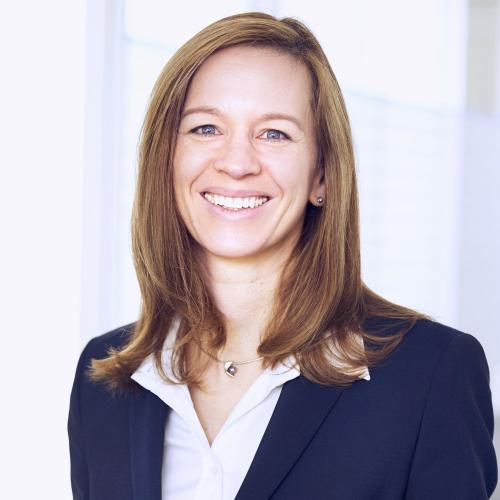
Cornelia Keller

VP & General Counsel
Merz Therapeutics

Cornelia Keller

VP & General Counsel
Merz Therapeutics

Second medical use patents remain one of the most commercially sensitive tools in the originator playbook. Yet they are among the most volatile of protection mechanisms when it comes to validity challenge and “skinny labelling” carve-out strategies.

This session will explore the latest case law updates and patentability challenges in the European, U.S., and Brazilian second medical use and skinny labelling spaces, covering new strategies for building and attacking these patents.

- What are the key implications of recent second medical use case law, including the landmark UPC Local Division ruling on Amgen vs Sanofi (2024)?
- What is the current EPO stance on reasonable expectations of success for second medical use?
- How should companies approach plausibility and data requirements in Europe post G2-21?
- How has the UPC shaped strategy around second medical use claims?
- How do second medical use claims and skinny labelling practice interact with competition law?

Author:

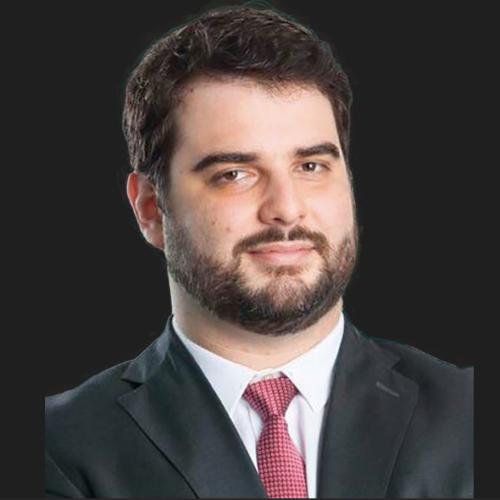
Eduardo Hallak

Founding Partner
Licks Attorney

Eduardo Hallak is one of the founding partners at Licks Attorneys and one of our leaders at the Sao Paulo office. For more than a decade, he has been working as a litigator before state and federal courts in Brazil in several complex disputes and leading cases involving Patent law, competition, and regulatory compliance, most of them pursuing the interests of clients in the area of life sciences. He also has extensive practice in trademark litigation as well as technology transfer contracts, working together with multinational clients to establish strong brand protection and licensing programs in the country. Mr. Hallak also currently teaches IP litigation in the Post-Graduation course at the prestigious Pontifical Catholic University of Rio de Janeiro (PUCRJ), has taught Civil Procedure at the at the Brazilian Association of IP Agents (ABAPI), and is often invited to lecture on procedural and strategic aspects of IP litigation, in addition to being a member of the Special Commission on Mediation of the Rio de Janeiro Chapter of the Brazilian Bar Association (OABRJ) and the Enforcement Committee of INTA.

Eduardo Hallak

Founding Partner
Licks Attorney

Eduardo Hallak is one of the founding partners at Licks Attorneys and one of our leaders at the Sao Paulo office. For more than a decade, he has been working as a litigator before state and federal courts in Brazil in several complex disputes and leading cases involving Patent law, competition, and regulatory compliance, most of them pursuing the interests of clients in the area of life sciences. He also has extensive practice in trademark litigation as well as technology transfer contracts, working together with multinational clients to establish strong brand protection and licensing programs in the country. Mr. Hallak also currently teaches IP litigation in the Post-Graduation course at the prestigious Pontifical Catholic University of Rio de Janeiro (PUCRJ), has taught Civil Procedure at the at the Brazilian Association of IP Agents (ABAPI), and is often invited to lecture on procedural and strategic aspects of IP litigation, in addition to being a member of the Special Commission on Mediation of the Rio de Janeiro Chapter of the Brazilian Bar Association (OABRJ) and the Enforcement Committee of INTA.

Communications about competing therapies play a critical role in life science competition, particularly where companies seek to influence clinical practice and decisions surrounding pricing and reimbursement. However, statements relating to the safety, efficacy or regulatory status of rival products may raise competition concerns where they risk distorting market perceptions.

This session will examine the competition risks associated with product communications in the life science sector, and explore how you can manage the boundaries between legitimate scientific debate and unlawful disparagement when discussing competing medicines.

- Where do competition authorities draw the line between legitimate scientific debate and unlawful disparagement?
- What types of product communications are most likely to attract competition scrutiny?
- How should companies manage the legal risk of product comparisons across departments?
- How might product communications about competitor therapies become evidence in competition investigations?
- How does disparagement fit within the broader category of exclusionary conduct in life science competition law?

Author:

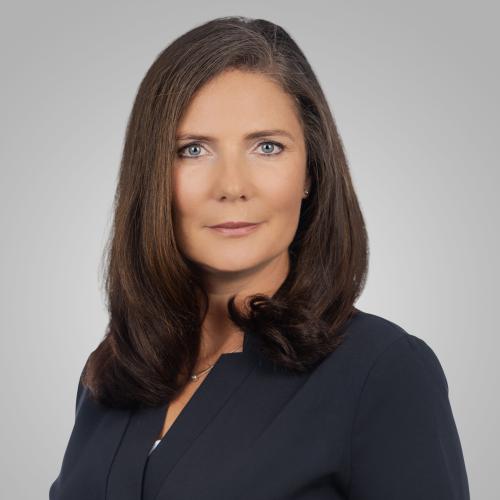
Caroline Stockwell

VP, Head of Legal & Associate General Counsel
Amicus Therapeutics

Caroline Stockwell

VP, Head of Legal & Associate General Counsel
Amicus Therapeutics

As competition authorities intensify scrutiny of patent settlements in the life sciences sector, so called “pay-for-delay” agreements remain firmly in the enforcement spotlight. For litigators and legal teams navigating complex disputes, the challenge is no longer simply whether to settle, but how to structure agreements that balance commercial objectives against evolving antitrust expectations.

This focused industry briefing will provide a practical overview of how pay-for-delay risk is shaping settlement strategy in the life sciences sector, drawing on recent enforcement trends and real-world considerations across the U.S. and Europe. Attendees will gain clear, actionable insight into how to identify risk and structure defensible agreements that withstand scrutiny while preserving commercial outcomes.

- How are competition authorities in the U.S. and Europe currently assessing pay-for-delay agreements? Where are the key divergences?
- What value transfers are most likely to attract antitrust scrutiny in settlement agreements?
- How are evolving antitrust enforcement trends influencing whether, when and on what terms companies choose to settle life science disputes?
- What practical steps can legal teams take to structure settlements that withstand competition scrutiny while achieving commercial objectives?
- How should companies assess whether a proposed settlement could be perceived as restricting competition or delaying market entry?

Supplementary Protection Certificates remain at the heart of pharmaceutical and biotechnology patent lifecycle strategies. Recent CJEU referrals, together with divergent decisions emerging from national courts, have raised crucial questions about key provisions of the SPC Regulation and how they are interpreted across European jurisdictions. The outcomes of these important cases hold significant strategic implications for the future pursuit, enforcement and opposition of SPC protection across the life science industry.

This session will review the past year’s most significant SPC-related decisions from the CJEU and national courts, bringing together private practitioners, senior in house counsel and representatives from European patent offices to explore their implications for future SPC practice. In addition, the discussion will consider how ongoing SPC-related policy developments, including draft measures under the EU Biotech Act and the proposed introduction of a unitary SPC system, may further reshape the strategic use of SPC protection within the broader European exclusivity framework.

- CJEU Referral C-456/24 (Halozyme): what qualifies as an “active ingredient” under Article 1(b)?
- CJEU referral C-15/26 (Boehringer Ingelheim v GPTO) concerning ciclesonide: can a later veterinary MA qualify as “the first authorisation to place a product on the market as a medicinal product” where an earlier human MA already exists for the same active ingredient? How strict is Article 3 (d) on this point?
- Conflicting European national case law concerning lisdexamfetamine and the recent CJEU referral C 794/25 (Stada v Takeda): what constitutes the “product” in a pro-drug scenario?

Author:

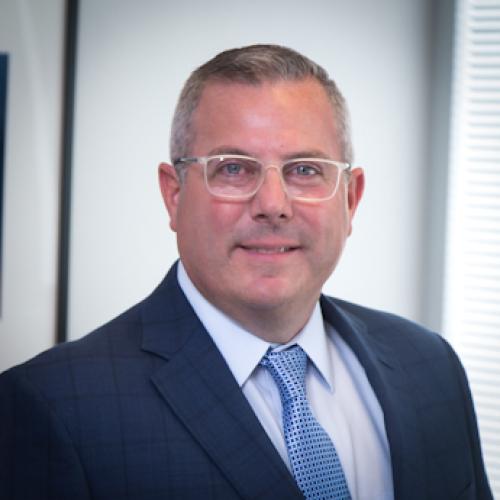
James Horgan

Chief IP Counsel, International Litigation & Policy
MSD

James Horgan

Chief IP Counsel, International Litigation & Policy
MSD

Author:

Dr Martijn de Lange

Patent Examiner
Dutch Patent Office

Dr Martijn de Lange

Patent Examiner
Dutch Patent Office

Author:

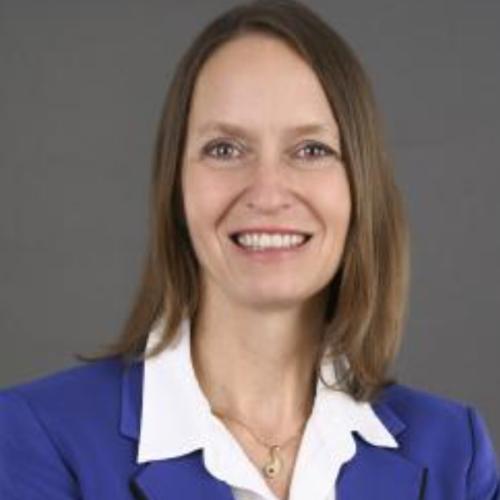
Imke Salmon

Patent Examiner, Group Leader
German Patent and Trade Mark Office

Imke Salmon

Patent Examiner, Group Leader
German Patent and Trade Mark Office

Author:

Michael Pears

Partner
Potter Clarkson

Michael Pears

Partner
Potter Clarkson

Author:

Bianca Lucia-Vos

Partner
Hoffmann Eitle

Bianca Lucia-Vos

Partner
Hoffmann Eitle

Heightened merger scrutiny in the life sciences sector is reshaping how transactions are structured, evaluated and defended, as authorities intensify their focus on pipeline overlaps across R&D and manufacturing value chains.

This session will examine current trends in life science M&A, novel approaches to assessing horizontal and vertical concentration and the core implications of antitrust M&A risk for your overall transaction strategy and design.

- How are competition authorities currently assessing life science M&As? What types of deals are attracting the most scrutiny?
- How should companies evaluate antitrust risk when acquiring early-stage or pipeline assets that are not yet on the market? - When does vertical/horizontal integration create meaningful competition risk?
- When during an M&A process should antitrust considerations influence the deal structure, valuation and conditionality?

Evolving clinical trial transparency obligations are materially affecting life science patent strategies, both in Europe and internationally, with growing tensions around public disclosures, post-filing amendments and the requirement for more data to demonstrate a plausible clinical effect. Now more than ever, the ability to successfully patent a clinical invention depends on crucial decisions at the interface between IP and regulatory strategy.

This session will discuss the need for coordination between IP and regulatory teams on the publication of clinical data, strategies for safely redacting confidential clinical information relevant to your future patent filings and approaches for aligning your patent filing strategies with timelines around clinical trial disclosures.

- How do different jurisdictions define a novelty destroying act in the context of a clinical trial?
- Where are the boundaries drawn between prior art and novel material in Europe post G1/23?
- How are the EPO approaching plausibility and post published clinical data following G2/21?
- What are you required to disclose in clinical trial publications? What can you safely redact?
- Can retaining confidential information relevant to future patent filings be used as an argument to justify redactions from clinical publications?
- How might transparency and data-sharing reforms under the EU Pharma Package and Biotech Act impact disclosure risk and optimal filing strategy?

Author:

Ana Gabarda

Director, Healthcare Patent Counsel
Merck

Ana Gabarda

Director, Healthcare Patent Counsel
Merck

Author:

Eva Ehlich

Partner
Maiwald

Eva Ehlich

Partner
Maiwald

Author:

Paul Calvo

Director
Sterne Kessler

Paul Calvo

Director
Sterne Kessler
 

Richard Anscombe

Business Manager UK
xFarm Technologies

A graduate of Harper Adams Agricultural College Richard’s career spans both the Agriculture and IT sectors. Working in the commercial field based team at Norsk Hydro Fertilisers, now YARA, Richard then joined a subsidiary IT company, Innovation Systems, which was set up to market the Warehousing and Distribution Software systems, that the parent company developed, into the UK market. After 20 years in IT, with clients spanning the Agri-Food sectors,Richard joined Fram Farmers in 2010, one of the UK’s largest buying Group Cooperatives, as their CEO.

Richard Anscombe

Business Manager UK
xFarm Technologies

Richard Anscombe

Business Manager UK
xFarm Technologies

A graduate of Harper Adams Agricultural College Richard’s career spans both the Agriculture and IT sectors. Working in the commercial field based team at Norsk Hydro Fertilisers, now YARA, Richard then joined a subsidiary IT company, Innovation Systems, which was set up to market the Warehousing and Distribution Software systems, that the parent company developed, into the UK market. After 20 years in IT, with clients spanning the Agri-Food sectors,Richard joined Fram Farmers in 2010, one of the UK’s largest buying Group Cooperatives, as their CEO. Attending Harvard Business School’s Leadership Best Practice Course and Cambridge University Institute of Sustainability Leadership gave Richard both insight and incentive to focus much of his consultancy work into Agri-Food sustainability. Richard joined x-Farm in March of this year as their UK Business Manager to lead an important element of xFarm’s strategy as they enter the UK market with their Farm Management Information System, and Farm Analytics, which enables Grain Trading, Animal Feed, Maltster’s and Food Manufacturing Companies to manage and measure their Scope 3 emissions. XFarm enjoys the support of over 600,000 farmers across Europe and South America.

Richard was awarded Fellowship of the Royal Agricultural Societies ( FRAgS) in 2024 in recognition for his work and support for the Next Generation working within Agriculture and enjoys mentoring younger Managers and Directors as they navigate their careers.


Richard Anscombe

Business Manager UK
xFarm Technologies

A graduate of Harper Adams Agricultural College Richard’s career spans both the Agriculture and IT sectors. Working in the commercial field based team at Norsk Hydro Fertilisers, now YARA, Richard then joined a subsidiary IT company, Innovation Systems, which was set up to market the Warehousing and Distribution Software systems, that the parent company developed, into the UK market. After 20 years in IT, with clients spanning the Agri-Food sectors,Richard joined Fram Farmers in 2010, one of the UK’s largest buying Group Cooperatives, as their CEO.

Richard Anscombe

Business Manager UK
xFarm Technologies

Richard Anscombe

Business Manager UK
xFarm Technologies

A graduate of Harper Adams Agricultural College Richard’s career spans both the Agriculture and IT sectors. Working in the commercial field based team at Norsk Hydro Fertilisers, now YARA, Richard then joined a subsidiary IT company, Innovation Systems, which was set up to market the Warehousing and Distribution Software systems, that the parent company developed, into the UK market. After 20 years in IT, with clients spanning the Agri-Food sectors,Richard joined Fram Farmers in 2010, one of the UK’s largest buying Group Cooperatives, as their CEO. Attending Harvard Business School’s Leadership Best Practice Course and Cambridge University Institute of Sustainability Leadership gave Richard both insight and incentive to focus much of his consultancy work into Agri-Food sustainability. Richard joined x-Farm in March of this year as their UK Business Manager to lead an important element of xFarm’s strategy as they enter the UK market with their Farm Management Information System, and Farm Analytics, which enables Grain Trading, Animal Feed, Maltster’s and Food Manufacturing Companies to manage and measure their Scope 3 emissions. XFarm enjoys the support of over 600,000 farmers across Europe and South America.

Richard was awarded Fellowship of the Royal Agricultural Societies ( FRAgS) in 2024 in recognition for his work and support for the Next Generation working within Agriculture and enjoys mentoring younger Managers and Directors as they navigate their careers.


Kathleen Hofmann

Group General Counsel
KD BioPharma

Kathleen Hofmann

Group General Counsel
KD BioPharma

Kathleen Hofmann

Group General Counsel
KD BioPharma